Teaching
Teaching came before performing, and it has followed me everywhere. In each place I have taught teachers as much as students, so that the music stays in the community after I leave.
What
Danso — the Korean vertical bamboo flute. It is small, inexpensive and quiet enough to practise at home, which makes it the instrument I recommend to anyone starting out.
Janggu, the hourglass drum, taught seated — the form used in schools, where a whole class can play together.
Groups that go further learn Chwitadae, the Korean processional wind and percussion band. I have also directed Danso, Janggu and mixed instrumental ensembles.
Who
Teachers first. Most of my work is with teachers at Korean language schools, who then teach their own students. One teacher reaches dozens of children.
I also teach learners directly, and individual enquiries are welcome. Students have ranged from teenagers to people in their eighties, most of whom had never held an instrument before.
Where
In person around New York and New Jersey, based in Ridgefield.
Online from anywhere. Students have joined from six countries.
Before you decide
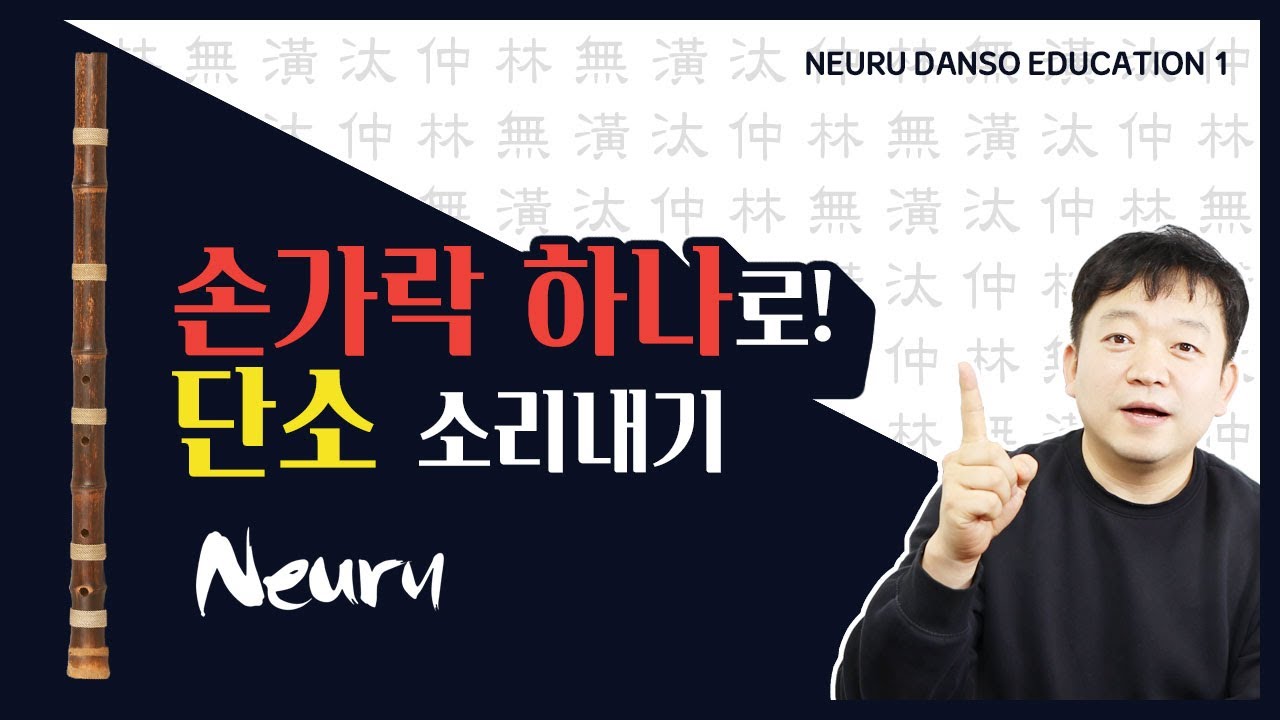
Most people who give up on the Danso give up in the first week, because no sound comes out. It is not a matter of talent. It is where the lip sits against the notch, and how much air you are wasting.
Ten minutes, one finger, and a sound by the end of it. Nothing to buy first, and no need to contact me. If it works for you, the rest is a matter of time.
Danso ensembles have followed me for a decade. They began at the Korean-Chinese schools in Jilin and Heilongjiang, where the children I taught went on stage and played together — and their teachers alongside them.
In Chicago from 2019 the group became a standing one. It was the first Danso ensemble in the United States, and there is no such group in Korea either.
In February 2026, six students gave a recital that lasted seventy minutes and used no instrument other than the Danso. The programme ran from the court piece Gyemyeon Garak Doduri through an Arirang medley to Pachelbel's Canon, Amazing Grace and Into the New World. Poster, programme book, venue booking, script, notation and filming were all produced in house.


The way in is the Janggu, taught seated. A whole class can play at once in one room, nobody has to stand, and rhythm reaches beginners faster than melody does. It is the point at which a group starts to sound like one thing rather than thirty people.
From there comes the Chwitadae — the Korean processional band, Taepyeongso and Nabal carried over Janggu, Buk and Jing, played walking. Around twenty players, a stage at least ten metres across, and no amplification needed once it moves outdoors. It is loud by design, and it is the thing a community still remembers a year later.
The Chicago Chwitadae made its debut at the Columbus Day Parade in 2019 and went on to march in the Thanksgiving Parade three years running — the first Korean Chwitadae in it. Since 2024 the work has continued in New Jersey as the Meari Chwitadae, alongside the students at the Korean school in Cherry Hill.


The Easiest Danso Class in the World
A ten-part beginner course written for the e-Gugak Academy, the online school of Korea's national institution for traditional music. From making the first sound to ornamentation.
Take the course →TOP 40 Danso & Sogeum Songbook
Forty pieces — children's songs, film scores and pop — recorded across eighty videos, each with a model performance and on-screen notation to play along with.
Watch the series →Neuru
Danso recordings filmed close on the hands, with Jeongganbo written into the subtitles, so you can see the fingering and hear the note at the same time.
Visit Neuru →Ten lessons, from silence to ornament
If you want to know whether the Danso suits you before contacting me, start here. It costs nothing, and it is the same sequence I use when teaching in person.
Lesson three is Jeongganbo — Korean traditional notation. Most people find it easier than staff notation once they see it move.
Take the course →- 01Understanding the Danso
- 02Abdominal breathing
- 03Reading Jeongganbo, and the first sound
- 04The low register
- 05The high register
- 06Basic pieces for a clear tone
- 07Tonguing, in depth
- 08Applied repertoire
- 09The seven-note scale
- 10Ornamentation
In order, from a five-note nursery tune to the court repertoire. Each is filmed close on the hands, so you can play along without a teacher in the room. Work down a column before moving to the next.
Neuru
My YouTube channel of Danso recordings. Every video is filmed close on the hands, with the notation written into the subtitles, so you can see the fingering and hear the note at the same time. Free, and the best place to find out whether this instrument suits you.
Visit Neuru →Ask about lessons
For Korean schools, community groups and individuals alike. Tell me who is learning, roughly how many, and whether you would like to meet in person or online. Fees depend on the group and the format, so I will come back to you with them.
Send an enquiry →